
If you’ve been tracking your macros for any length of time, you know how important protein is. It supports muscle repair and recovery, drives strength adaptations, improves satiety, and plays a major role in body composition. Whether your goal is fat loss, muscle gain, or simply performing well in the gym, protein is doing a lot of heavy lifting behind the scenes.
What isn’t talked about enough, though, is that not all proteins are created equal.
Protein is often the most challenging macro to consistently hit, and part of that is because protein sources vary widely in quality. They differ in their amino acid profiles (the building blocks of protein), digestibility, bioavailability, and how effectively they stimulate muscle protein synthesis. Two foods may both “count” toward your daily protein target, but how efficiently your body can use that protein and how supportive it is of your performance and physique goals can look very different.

1. Animal-Based Protein: The Gold Standard
Animal proteins like chicken, beef, fish, eggs, and dairy are considered complete proteins because they contain all nine essential amino acids in adequate amounts, including leucine, the amino acid most responsible for triggering muscle protein synthesis. Animal protein naturally provides the full building blocks your body needs to repair and build muscle.
They’re also highly bioavailable, meaning your body can efficiently digest, absorb, and utilize the protein they provide. For active individuals, especially those focused on performance, recovery, or improving body composition, animal proteins are often the most efficient way to hit daily protein targets without needing excessive food volume. Gram for gram, they deliver a dense, high-quality protein source that makes supporting muscle retention or growth more straightforward.
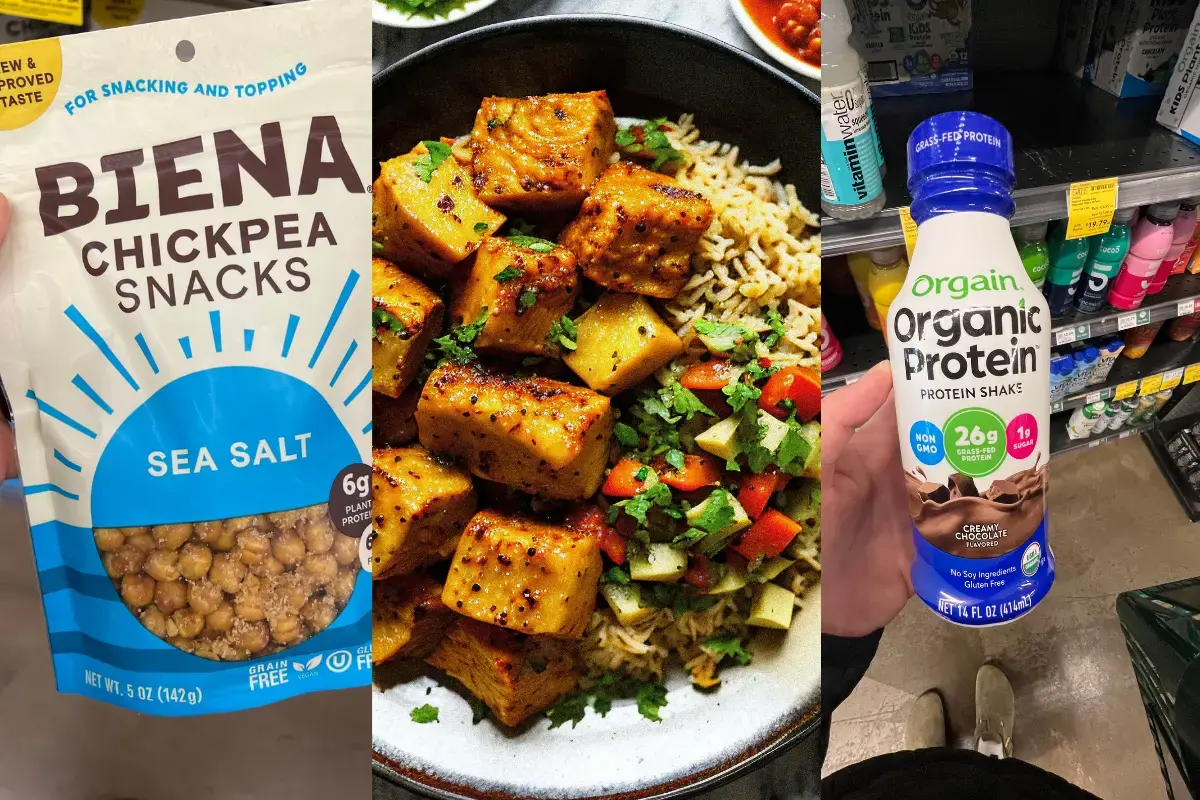
2. Plant-Based Protein: Powerful, But Strategic
Plant proteins like beans, lentils, tofu, tempeh, quinoa, nuts, and seeds can absolutely support performance, recovery, and physique goals. They just require a bit more strategy.
Most plant proteins are considered “incomplete,” meaning they’re lower in one or more of the nine essential amino acids your body can’t produce on its own. That doesn’t make them bad; it simply means they’re not quite as amino-acid-dense as most animal proteins.
Where intention really comes into play is volume and macros. Many plant protein sources come packaged with additional carbohydrates and/or fats (think beans, nuts, seeds), which can make it harder to hit higher protein targets without overshooting calorie goals. Compared to lean animal proteins, you’ll typically need larger portions to reach the same protein total.
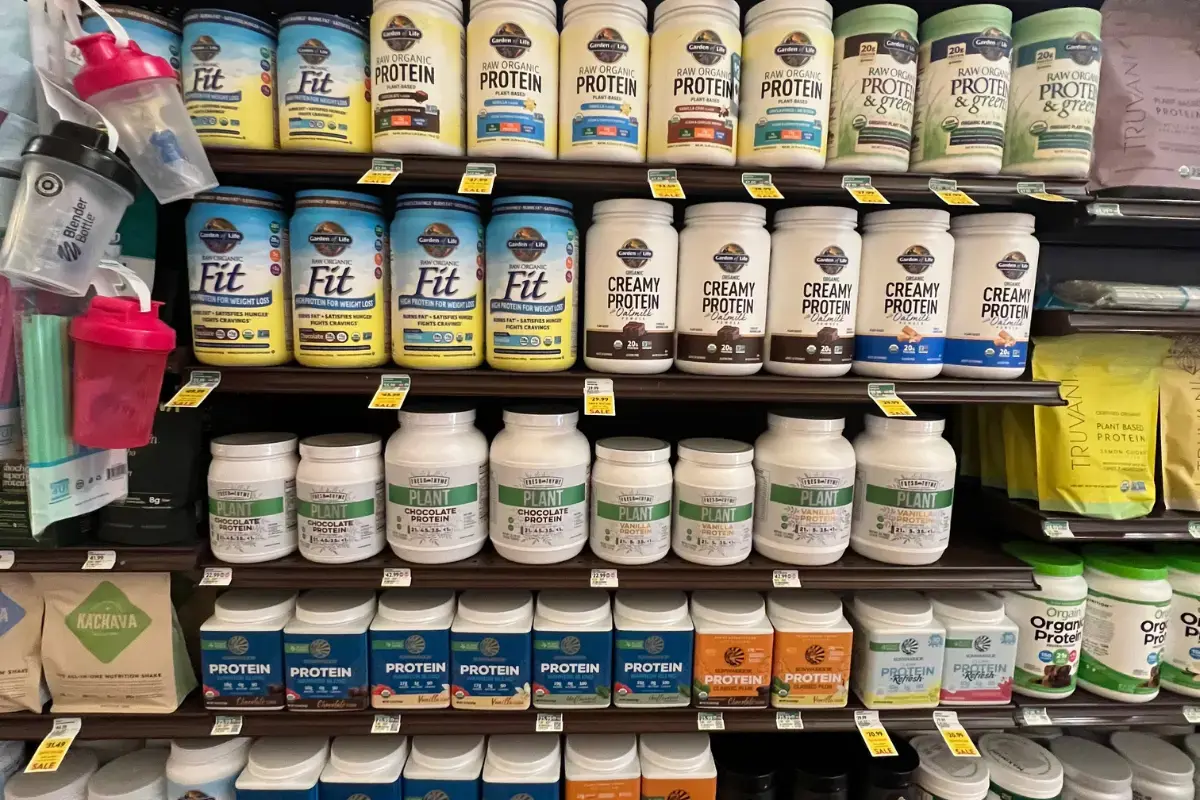
3. Protein Powders: Convenient, Not Magical
Protein powders like whey, casein, or plant-based blends are often fantastic ways to boost overall protein intake. They’re simply a convenient way to help you reach your daily protein target when whole foods alone would be impractical.
Whey protein, which is derived from milk, is one of the most researched and widely used protein sources available. It’s rapidly digested, naturally high in leucine (the key amino acid that triggers muscle protein synthesis), and especially effective post-workout when your body is primed for recovery. Casein, also milk-based, digests much more slowly. That slower release of amino acids can make it a helpful option before bed or during long stretches between meals when satiety and steady protein delivery are priorities.
Plant-based protein powders are usually formulated as blends, like pea and rice, to create a more complete amino acid profile. These can be excellent options for dairy-free individuals, vegan clients, or anyone who simply prefers a non-dairy alternative. While some plant proteins are slightly lower in certain essential amino acids compared to whey, well-formulated blends can still effectively support performance and physique goals.
The key takeaway is that protein powder is meant to supplement your intake, not replace whole foods entirely. Whole food protein sources provide additional micronutrients, fiber (in many cases), and greater overall satiety. Think of protein powder as a convenient gap-filler, not the foundation of your nutrition plan.
The Big Takeaway
When it comes to protein, context matters. Animal proteins tend to be the most efficient and complete sources, delivering all nine essential amino acids in highly bioavailable forms. Plant proteins can absolutely be effective, but they require a bit more thoughtful planning to ensure you’re meeting both amino acid needs and overall macro targets. Protein powders aren’t mandatory, but they can serve as a convenient support tool when whole foods alone make it difficult to consistently hit your numbers.
At the end of the day, the “best” protein source is the one that helps you reach your targets consistently, aligns with your personal values and food preferences, supports your recovery and performance, and fits seamlessly into your lifestyle long term. Protein isn’t just about checking a box or hitting a specific number; it’s about choosing sources that move you toward your goals in the most sustainable and effective way possible.

Schedule a Free Intro Call
Working Against Gravity has led the macro tracking and health space for over a decade. Our team doesn’t just understand the science of nutrition—we’ve spent years mastering the art of tailoring it to fit your life. That means no cookie-cutter plans, just real strategies that have worked for over 30,000 people.
Schedule a free call with our team to learn how working with a 1-on-1 WAG coach will help you reach your goals.
You Might Also Like